
 Shop All
 Hair
Hair
 Skincare
 Face
Face
 Accessories
 Gift Boxes
 About
About


How to Treat Damaged Hair at Home: Tips From a Hair Expert

Dry, splitting, and frizzy hair can be frustrating, but we’ve got you covered. Learn how to treat damaged hair at home, so you can feel better about your hair and more confident in your routine.
Rebecca Johnston, Owner and Freelance Hairdresser at Rebecca Johnston Hair, explains that damaged or dry hair needs moisture, protection, and gentle handling. While you can't repair split ends and must cut them out, the right routine at home can help promote healthier growth.
Below, we’ll share practical ways you can repair damaged hair, reduce breakage, and soften your hair over time.
Wash Hair With Moisturizing Shampoo & Conditioner
Using a moisturizing shampoo and conditioner is one of the best ways to treat damaged hair at home, explains Johnston. This helps repair damaged hair by restoring lost hydration and smoothing the cuticle. A lifted and rough cuticle causes the hair to lose moisture faster and tangle more easily. This increases breakage over time, so we want to prevent this.
Johnston suggests washing your hair at least two to three times per week. The best frequency depends on your hair type and lifestyle, so experiment and adjust as needed.
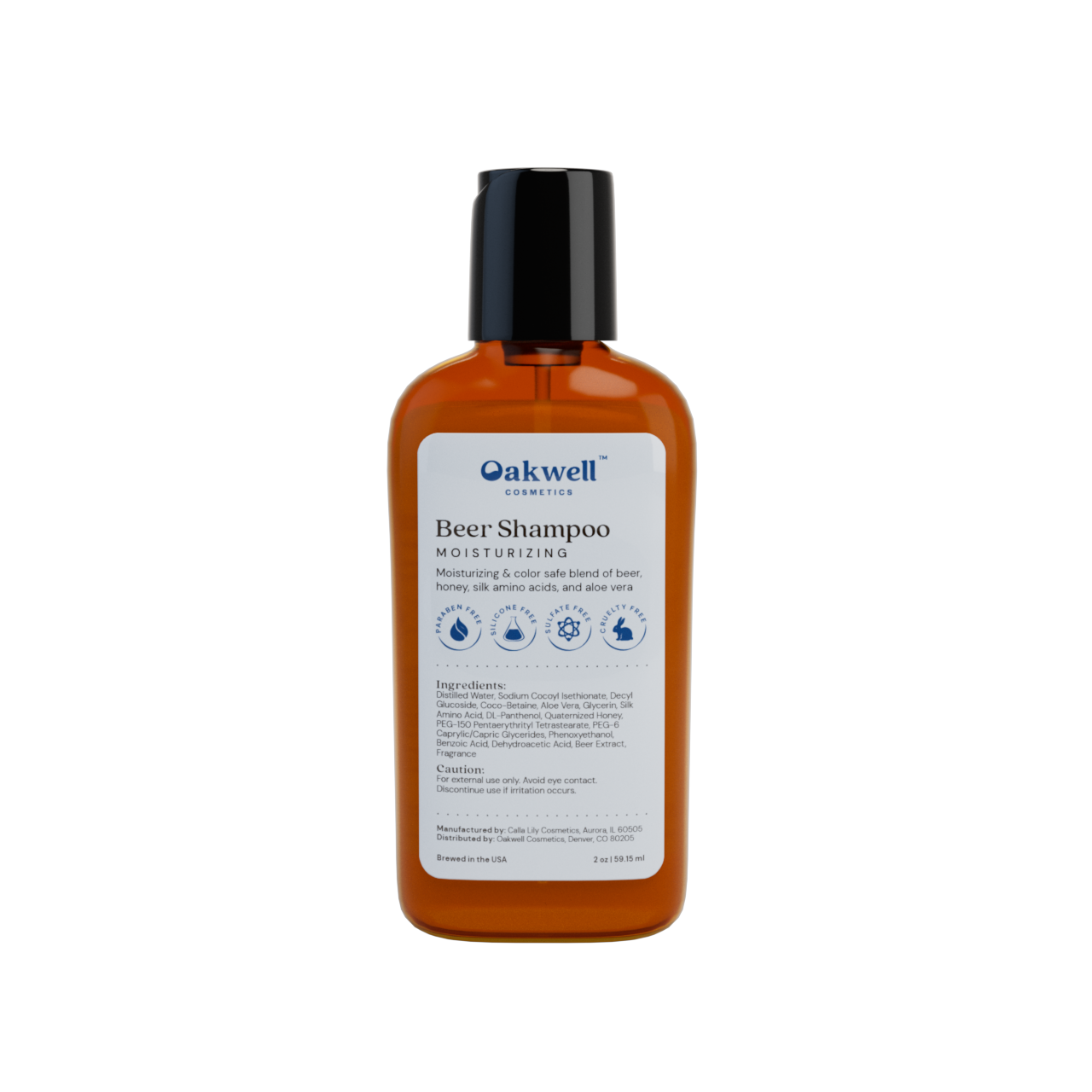
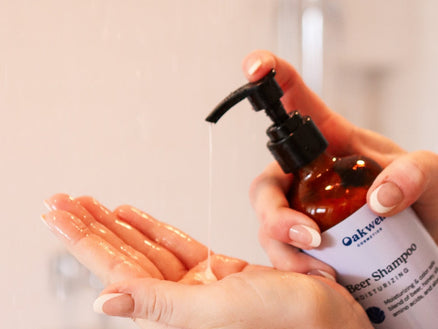
Oakwell Cosmetics Moisturizing Shampoo & Conditioner is our favorite for gentle ingredients that hydrate, lock in moisture, and protect the hair for healthy growth.

Dry Your Hair After Showering
People often think blow-drying your hair can cause damage, but Johnston explains this is actually better than air drying. Your hair can experience more friction when wet, causing tangles and breakage.
It’s best to use a blow dryer on a cool or low-heat setting. You can also apply a heat protectant before drying to prevent dryness or damage.
Use a Weekly Hair Mask
Johnston recommends using a hair mask once a week to treat dry hair at home or soften damaged hair. This can help moisturize and strengthen the hair for natural shine and healthy growth.
There are several types of hair masks, including moisturizing and protein-based options. Protein masks strengthen weak hair but shouldn’t be overused because too much protein can cause stiffness and breakage.
For a hydrating hair mask that works well for all hair types, try Oakwell Cosmetics Deep Conditioning Hair Mask. It helps promote strong, shiny hair and silky smoothness.

Use Hair Oil Often
You can use hair oil in addition to or instead of a hair mask. This is better for daily use and helps add shine and prevent further damage.
Overnight oiling may also be helpful for coarse or damaged hair. Start with short sessions first, then increase usage as your hair adjusts.
Johnston suggests applying a small amount to mid-lengths and ends. This makes hair smoother and easier to manage when dry and helps retain moisture when wet.

Protect Your Hair While Sleeping
Nighttime friction is one of the most common causes of breakage. Johnston suggests using a silk pillowcase or satin bonnet because they’re much gentler than cotton.
Silky material helps reduce frizz and tangles and can promote natural shine. This is especially helpful if you sleep with oil in your hair because it prevents it from rubbing off.
Be Careful When Styling
Johnston recommends the following when styling to help protect your hair:
- Hair ties - Use scrunchies, silk ties, or crocodile clips, which don’t pull and cause breakage like elastics often do.
- Heat styling - Heat styling is okay, but always use a heat protectant first.
- Sun exposure - On sunny days, skip heat styling and wear a hat or silk scarf to protect your hair.
How to Treat Damaged Hair at Home: FAQs
Learn more about repairing damaged hair with answers to common questions below.
What does severely damaged hair look like?
Severely damaged hair can look dry, dull, and brittle. It often tangles easily and might break off when brushing. You may also notice split ends and rough texture.
Can damaged hair be repaired?
Damaged hair with split ends can’t be fixed. These need to be trimmed off. However, dry hair can be repaired by restoring hydration with moisturizing and protective products and routines.
How to repair extremely damaged hair at home?
While you can’t repair split ends without trimming them, you can support healthy hair growth. Use moisturizing products, gentle styling, and weekly hair masks. These steps can help strengthen damaged hair and promote shine.
Can oil repair damaged hair?
Oil can help damaged hair look healthier and shinier. While it doesn’t add moisture on its own, you can apply it to wet hair to seal in hydration.
What's the best oil for damaged hair?
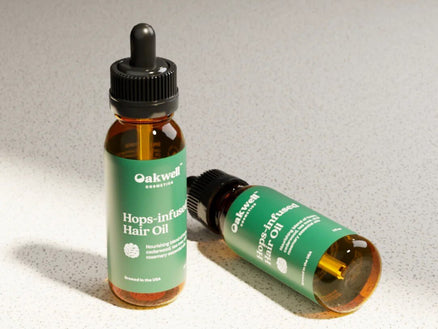
Oakwell Cosmetics Hops-Infused Hair Oil supports a healthy scalp and hair growth. It won’t fix damage, but it helps hydrate and strengthen hair.
How to Treat Damaged Hair at Home: FAQs
While you should cut split ends, treating damaged hair at home starts with moisture and protection. Gentle washing, careful styling, and consistent care make a real difference for healthier, softer, and stronger hair.




Become a part of our community and be the first to learn all there is to know about Oakwell